A Comprehensive Guide to Understanding Cockapoo Food Allergies
Food allergies in Cockapoos can be puzzling and worrying for any pet owner. These sensitivities often stem from the dog’s immune system mistakenly identifying certain food ingredients as dangerous, leading to adverse reactions.
While natural ingredients are generally safer, some Cockapoos might still develop allergies to them. On the other hand, highly processed foods are more likely to cause allergic reactions due to their artificial additives and preservatives.
Recognizing the signs of a food allergy early can make a significant difference in your cockapoo’s health and comfort. An understanding of the common culprits behind these allergies, such as specific proteins or grains, is crucial.
Equally important is knowing how to transition your dog onto a diet that minimizes allergic reactions, focusing on both natural ingredients and avoiding highly processed options. This guide aims to navigate you through identifying, managing, and preventing food allergies in your beloved Cockapoo.
Table of Contents
Identifying Signs of Food Allergies in Cockapoos
If you suspect your dog has a food allergy, observing their behavior and physical health closely is essential. Common signs include gastrointestinal problems, such as vomiting or diarrhea, and dermatological issues like itchy skin or skin rashes.
These symptoms can cause discomfort and distress, affecting your dog’s overall well-being and happiness.
Beyond these immediate reactions, food allergies can also manifest through more chronic symptoms. Persistent itchy skin, despite treatment, or recurring gastrointestinal issues after meals, could indicate an allergy.
Identifying these signs early and consulting with a veterinarian can lead to a quicker diagnosis, ensuring your Cockapoo gets the relief they need.
Common Symptoms to Watch Out For
When feeding your dog, it’s crucial to monitor them for any health issues that could signal allergies. Dogs can develop an allergy to ingredients in dog food, including allergies to meat found in many chicken-based dog foods. Common food allergens for dogs include beef, dairy, chicken, wheat, eggs, lamb, soy, and corn
These sensitivities often lead to symptoms that may affect your dog’s immune system, making even healthy dogs vulnerable. Look out for signs such as itchy skin or digestive disturbances, as these could indicate that your cockapoo is developing allergies.
Chronic Ear Infections and Watery Eyes
Chronic ear infections in Cockapoos could be a sign of food allergies, often accompanied by watery eyes. These infections, sometimes caused by yeast infections, can be persistent and difficult to treat without addressing the underlying allergy. Ear mites may also contribute to the problem, but treating the symptoms without eliminating the allergen will likely result in a recurrence.
Itchy Skin, Red Underbelly, and Dull Coat
The appearance of itchy skin, a red underbelly, and a dull coat are telltale signs of food allergies in Cockapoos. These symptoms indicate discomfort and could lead to more severe skin conditions if left untreated. Employing allergy medications might provide temporary relief, but identifying and removing the allergen from your dog’s diet is crucial for long-term health.
Red, Brown, or Bronze Nail Beds and Bronzing Around the Lips
Another less known but significant indicator of food allergies in Cockapoos is the discoloration of the dog’s nails, with red, brown, or bronze nail beds, and similar bronzing around the lips. These symptoms might not seem directly related to food allergies, but they are often a reaction to the allergens present in their diet.
The Culprits Behind Cockapoo Food Allergies
Identifying the specific triggers of your cockapoo’s food allergies can be a complex process. Natural ingredients, while generally healthier, can still provoke allergies in some dogs. Conversely, highly processed foods are notorious for causing adverse reactions due to the unnatural additives and low-quality ingredients they contain.
Understanding the common allergens, including certain proteins, grains, and dairy products, is the first step toward managing your pet’s allergies. Each dog is unique, and what affects one may not affect another, making it crucial to observe your dog’s reactions closely and adjust their diet accordingly.
Well-Known Food Allergens for Cockapoos
Natural ingredients are often touted for their health benefits, but they can also be the source of allergies in some Cockapoos. Caring for your dog means being vigilant about the signs of allergic reactions and understanding that allergens in dog food can vary widely. Whether it’s a common protein source or a specific grain, dogs are allergic to a range of ingredients that might otherwise seem harmless.
Grains and Proteins
Grains and proteins are among the most common allergens for dogs, including cockapoos. A prescription diet, specially formulated to exclude these allergens, can be an effective way to manage your dog’s food allergies, providing relief from symptoms and improving overall health.
Dairy and Legumes
Dairy products and legumes are also potential allergens for Cockapoos. Intolerance to lactose or specific proteins found in these foods can lead to gastrointestinal upset and other allergic reactions. Avoiding these ingredients may help alleviate symptoms and improve your dog’s well-being.
Root Vegetables and Genetically-Modified Foods
Some Cockapoos may react negatively to root vegetables and genetically-modified foods. Opting for natural ingredients and avoiding genetically modified organisms (GMOs) can be beneficial in reducing allergic reactions and promoting a healthier diet for your pet.
Implementing a Food Elimination Diet
Starting a food elimination diet involves removing all potential allergens from your cockapoo’s diet and then gradually reintroducing them to pinpoint the specific cause of the allergy.
This process can be challenging, as it requires patience and close monitoring of your dog’s reactions to each reintroduced food. Avoiding table scraps and sticking to a strict diet during this period is essential for the diet’s success.
To manage food allergies in dogs, a vet may recommend a limited ingredient diet or hypoallergenic dog food
By carefully observing changes in your dog’s symptoms in response to dietary adjustments, you can identify the offending allergens. This methodical approach allows you to tailor your cockapoo’s diet to avoid triggers and promote a healthier, happier life.
The Process of Identifying Allergens
The key to a successful food elimination diet is the systematic reintroduction of foods while closely monitoring your dog’s reactions. This process helps identify the specific ingredients causing allergic reactions, enabling you to create a diet plan that avoids these triggers.
Starting with Hypoallergenic Foods
Beginning with hypoallergenic foods that are less likely to cause allergic reactions is a safe starting point. These foods contain natural ingredients known for their low allergenic potential, providing a solid foundation on which to build as you gradually reintroduce other foods.
Gradually Reintroducing Foods
Gradually reintroducing foods into your cockapoo’s diet allows for careful observation of how each item affects their digestive system and overall health. This step-by-step process is crucial in pinpointing the specific allergens affecting your dog, enabling you to permanently eliminate them from their diet.
Choosing the Right Food for Your Cockapoo
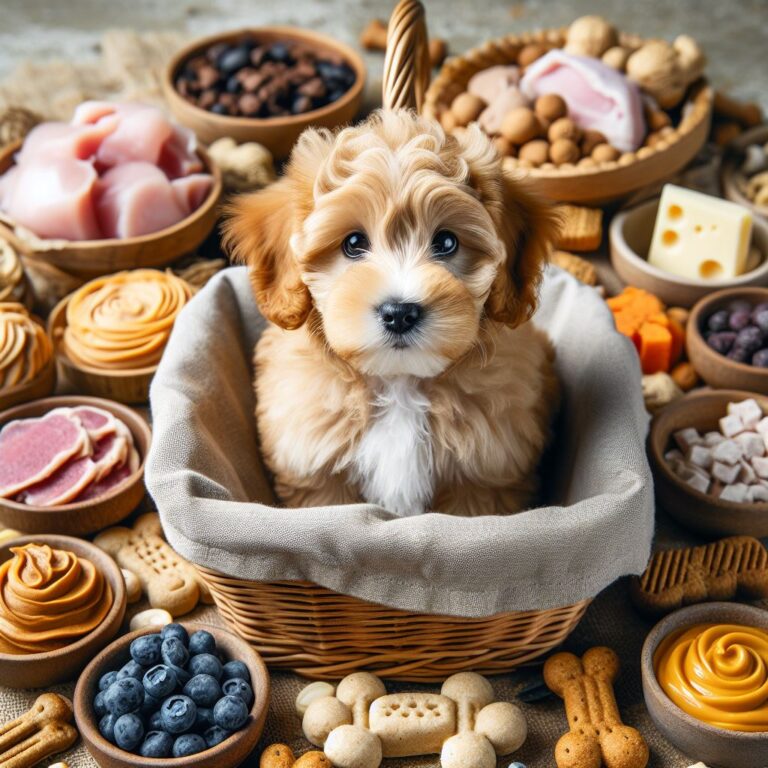
When it comes to selecting the appropriate diet for your cockapoo, especially if they suffer from allergies, it’s crucial to focus on wholesome, natural ingredients. Cockapoos can develop allergies or sensitivities to ingredients like meat, eggs, dairy, and gluten.
These elements can significantly reduce the chances of adverse reactions and contribute to overall health. Identifying if your dog is allergic to specific food items plays a critical role in this process. This journey often begins with feeding your dog a simplified diet, removing common allergens, and observing for any positive changes in their condition.
Raw food diets are increasingly popular for dogs with sensitive systems, as they often contain fewer artificial additives that can trigger allergic reactions.
However, incorporating raw food into your dog’s diet should be done with caution and under veterinary guidance to ensure it meets all nutritional requirements and is safe. Remember, each dog’s diet needs to be tailored to their specific health needs, lifestyle, and nutritional requirements, which may evolve over time.
Check out our article on what can cockapoos eat for more information.
Ingredients That Can Help
When dealing with food sensitivities, natural ingredients often offer a gentler alternative for your dog’s digestive system. If your dog is allergic, it’s essential to narrow down the specific culprits. This process usually starts with feeding your dog a limited-ingredient diet and closely monitoring their reaction.
Natural ingredients, particularly those with anti-inflammatory properties, can be beneficial in soothing your dog’s diet-related issues. Raw food, while beneficial for some, should be considered carefully, especially for dogs that suffer from allergies, as it might contain proteins that trigger reactions.
Natural Ingredients to Settle Sensitive Tummies
Integrating natural ingredients into your cockapoo’s diet can help settle their sensitive stomach and improve overall digestion.
Ingredients such as pumpkin, sweet potato, and easily digestible grains like rice can offer the necessary dietary fiber without harshly impacting their system.
For dogs with food sensitivities, these ingredients can provide a soothing effect, reducing symptoms like diarrhea and vomiting, and contributing to a healthier gut flora.
Ensuring Real Meat is the Primary Ingredient
Choosing dog food where real meat, such as chicken, is listed as the primary ingredient is crucial for your cockapoo’s health. This approach ensures that your dog is getting high-quality protein sources suitable for human consumption, which can be easier on their digestive system and less likely to cause an allergic reaction.
High-quality meat-based diets support lean muscle development, provide essential amino acids, and can greatly enhance the overall vitality and energy levels of your dog.
Finding the Perfect Portions for Your Dog
Finding the right portion sizes of dog food for your Cockapoo is crucial, especially as your puppy grows. The amount of food your dog needs changes as they grow from a puppy to an adult and even into their senior years.
It’s important to adjust their portions accordingly to prevent overfeeding or underfeeding. A balanced diet with the correct portion size will support their growth, maintain their weight, and help manage any food allergies they may have by ensuring they’re not overexposed to potential allergens.

Final Thoughts on Managing Cockapoo Food Allergies
Understanding and managing food allergies in dogs, especially cockapoos, requires vigilance and a careful approach to their diet.
Symptoms of allergies can range from skin problems to gastrointestinal issues, and identifying the food causing these reactions is crucial. Employing allergy tests and maintaining a diet free from common allergens can significantly reduce adverse reactions.
Ingredients in their diet should be scrutinized, opting for natural ingredients and hypoallergenic diets that are rich in essential amino acids and free from artificial colors and genetically modified foods.
Moreover, the role of regular veterinary consultations cannot be overstated.
A vet can help identify signs of allergies, recommend suitable allergy tests, and guide you through elimination diets to pinpoint the problematic food ingredient. Embracing a long-term approach to dietary management, including gradually increasing the variety of foods in a controlled manner, can help manage your dog’s symptoms effectively.
Remember, some dogs can develop a food allergy at any stage of life, so continuous observation for any allergic symptoms is crucial for their well-being.
The Importance of Vigilance and Proper Diet
When your dog is allergic to certain foods, it’s essential to maintain a strict diet that avoids the offending food ingredient. This involves feeding them a diet formulated to minimize the risk of a true food allergy or intolerance, which can cause difficulty digesting and secondary infections.
A careful selection of their diet, possibly including raw food, can help manage their condition. Regular checks for flea bites, which can exacerbate skin problems, and maintaining a routine of flea treatment are also integral to their overall health.
The Role of Regular Veterinary Consultations
Regular visits to your veterinarian play a pivotal role in managing your Cockapoo’s health issues, including food allergies. These consultations offer the opportunity to monitor your dog’s symptoms, adjust their diet as needed, and ensure they are getting the right nutrients. Your vet can also provide guidance on managing any secondary health issues that may arise from food allergies.
Embracing a Long-term Approach to Dietary Management
Successfully managing food allergies in Cockapoos requires a long-term commitment to dietary management. This involves not only identifying and avoiding allergens but also ensuring their diet supports their overall health. Continuous monitoring of their reaction to different foods and adjusting their diet accordingly will help keep your Cockapoo happy, healthy, and allergy-free.